How to work with Clickup. This article explains the general app structure, views and how customer teams work with it.
Apps
You can use clickup in the browser, but apps are there for Linux, Mac, Windows, iOS, Android!
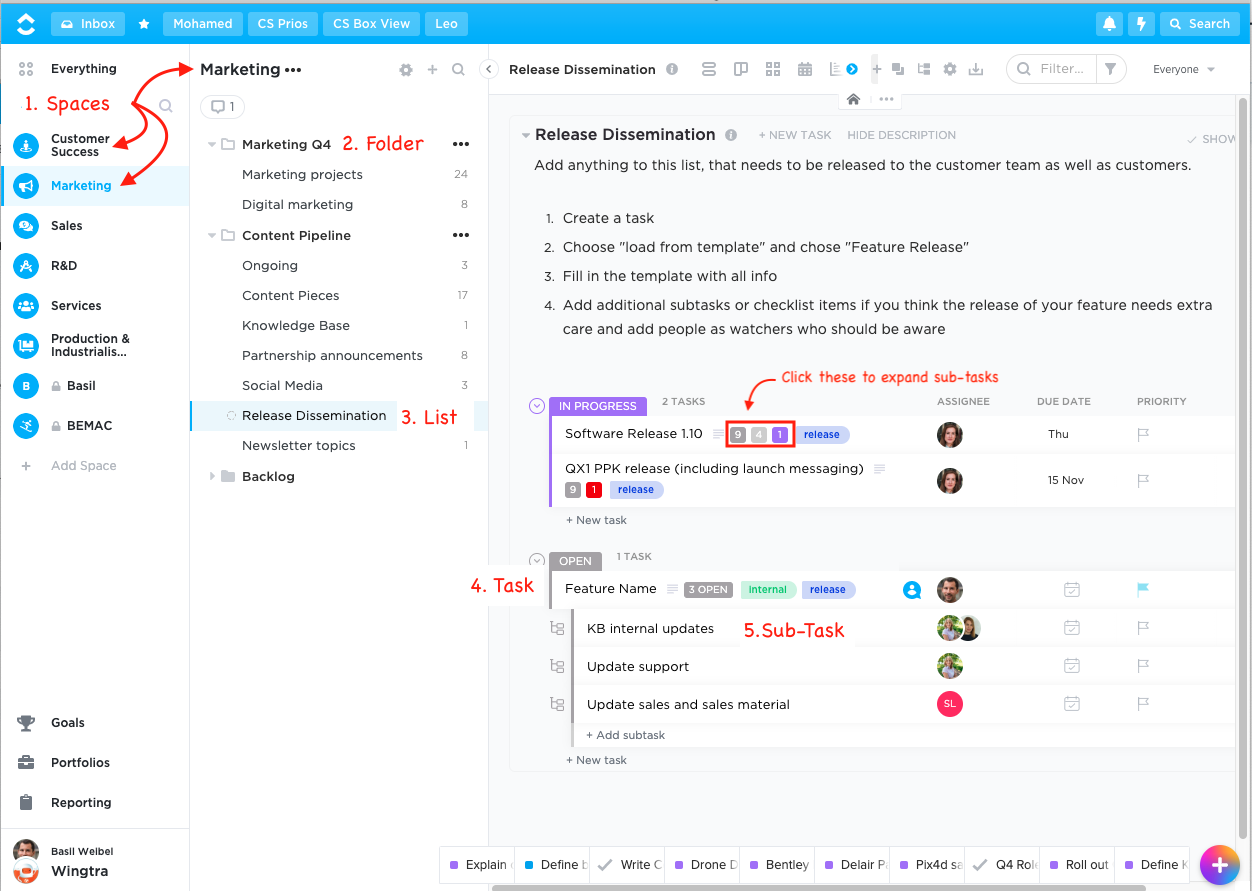
Hierarchy

Clickup has a more complex hierarchy structure than Github or other tools. However, this allows it to connect the high level overview with the low level organisation. At first, the hierarchy is a bit confusing - but give it a chance - it actually is useful!
- Workplaces live above spaces. These are different clickup instances if you work with multiple organisations. You cannot share / transfer information between workplaces.
- Space: Larger domains, like marketing, customer success, sales, production as well as your personal space for just your private to do's
- Folders: Can be anything where you want to put in lists. For example "Sales Projects Q4" or "Content Pipeline"
- Lists: Contain and structure tasks. For example "blog articles", "newsletters", "release dissemination", or features like "Corridor Mapping"
- Tasks: Equivalent to a large github issue, in many cases an entire project. This has a time estimate, owner, due date, description, conversations.
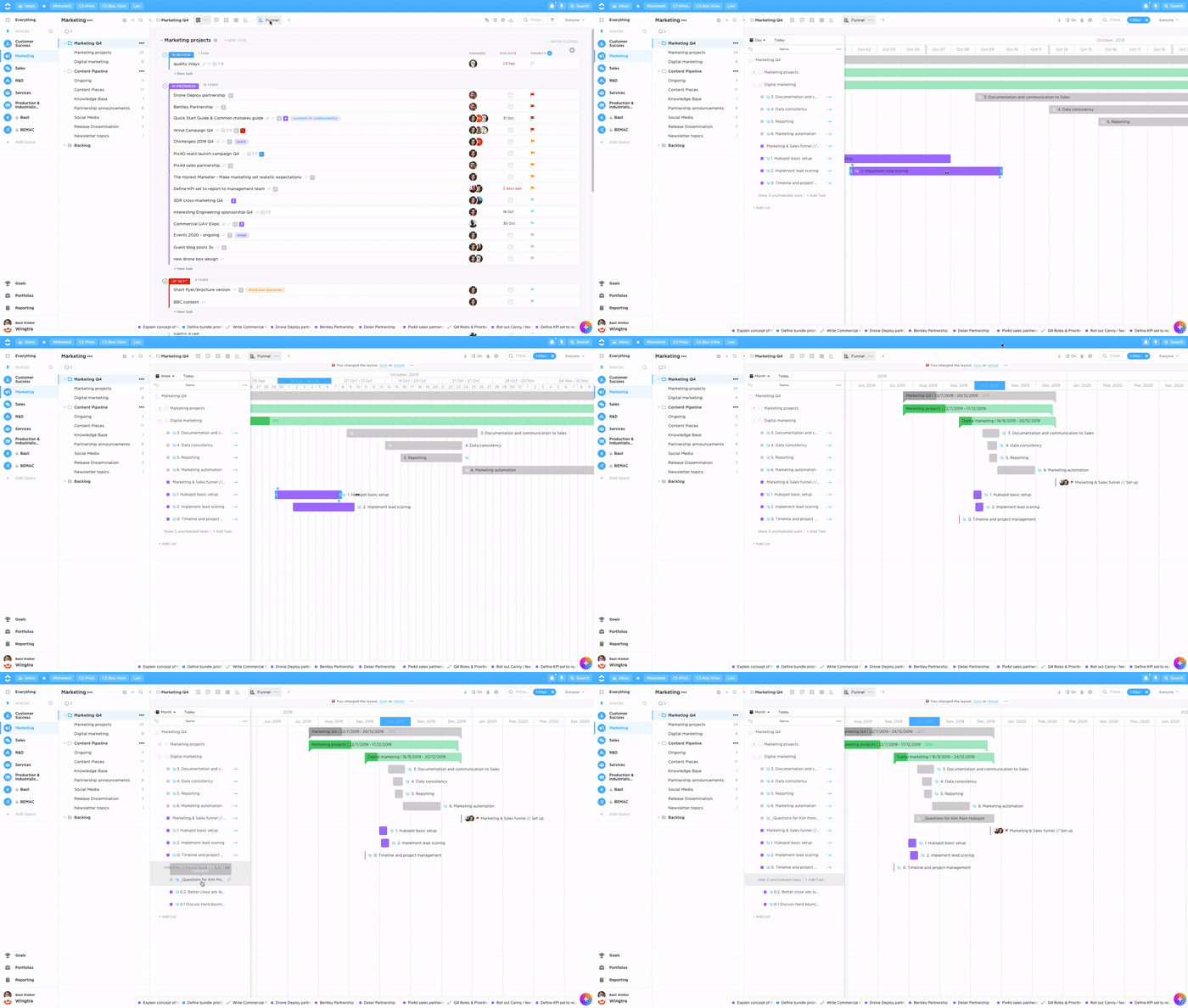
- Subtasks: Equivalent to a small github issue. Has the same functionality as a task, but is a child of a larger overarching task. Can be toggled on and off to switch between high level overview and smaller steps of a project. Can be drawn on the Gantt.
- Checklist items: Smaller to do's that are part of a tasks or sub-task. Can be assigned, but don't have their own due date and conversation history.
- (Assigned) comments: Equivalent to a github post, can also be assigned to people.
You don't need to use all levels for every project. For many things it is functional to put them into a generic list of a team and just have a description or a simple checklist. Then for larger projects with dependencies you might need subtasks or even lists.
Different views
Depending on what you want to do, you can view tasks in different views.
- List: Easiest view to get started. You can see tasks grouped by their project, list and status.
- Board: Kanban boards as in Github projects.
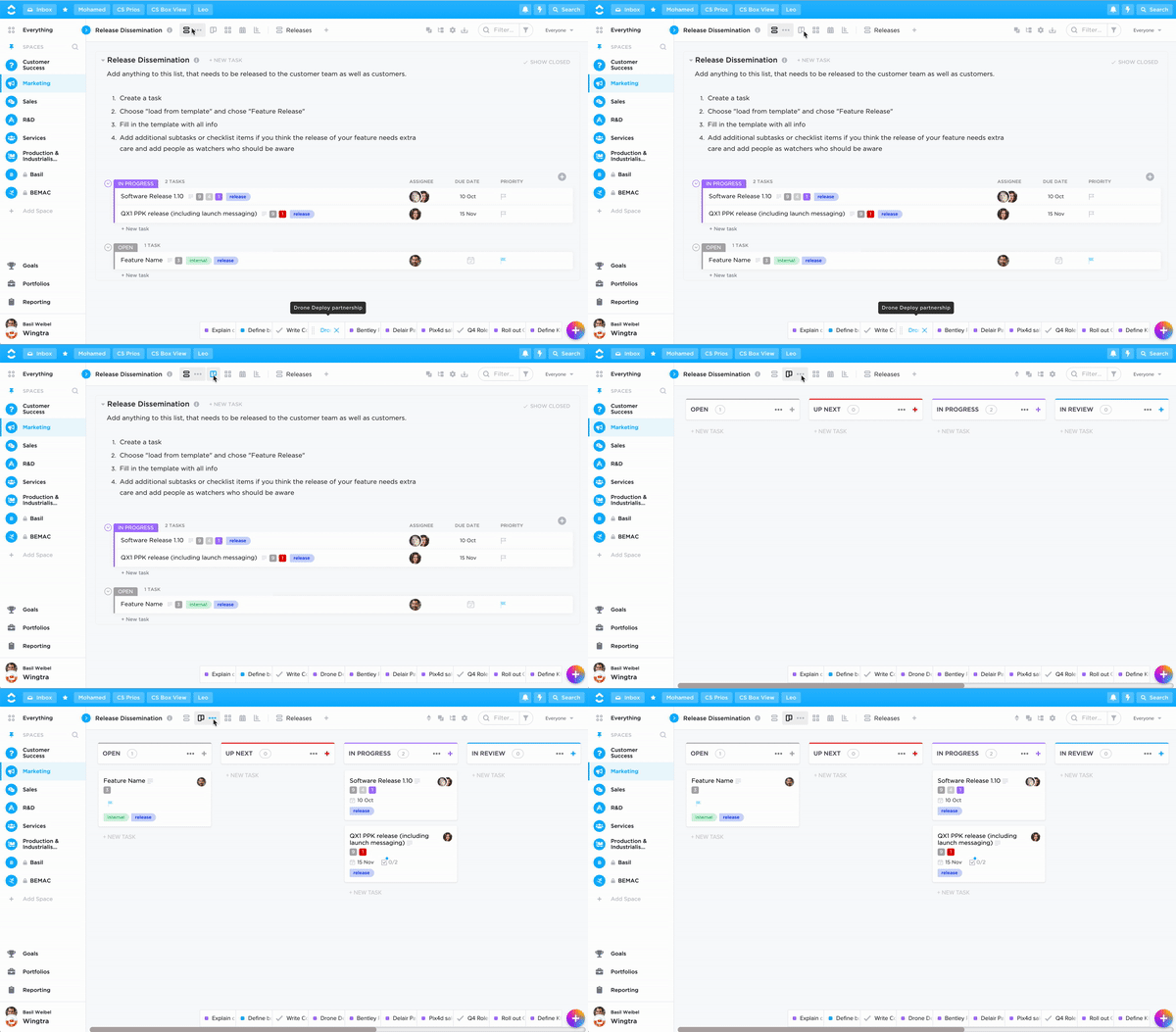
- Calendar: Calendar view that is particularly useful if you break down your subtasks into chunks that are smaller than 1 day because you can then put them directly into your calendar!
- Gantt: Good for complex projects with dependencies or for long term overview.
Filtering
Almost every click onto hierarchy elements / UI elements filters your main view! For example just click on the space name, project name, list name or user name to filter for that. Remember to click onto a higher hierarchy element to again display everything!
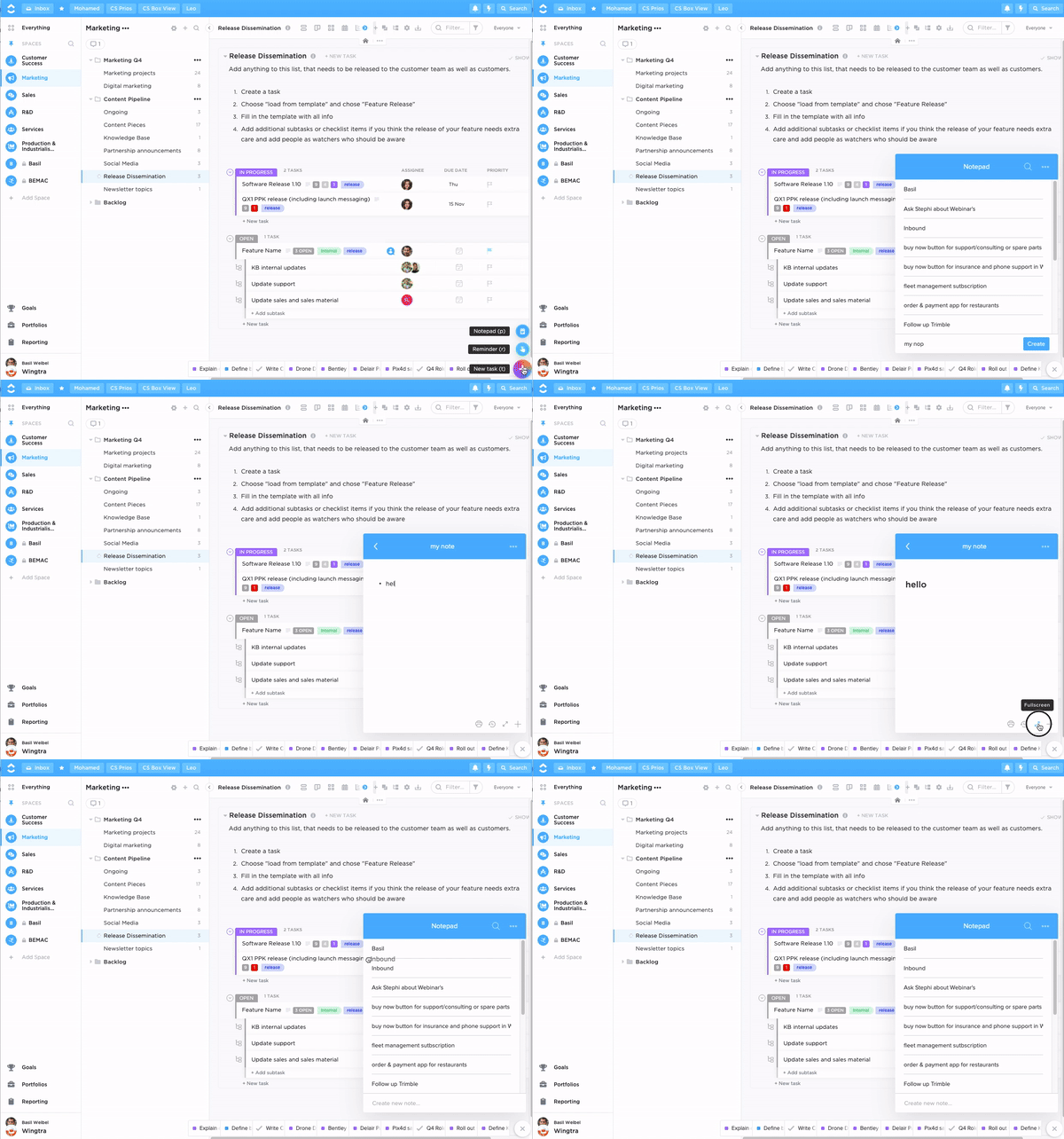
Use the note taking app
You will hardly use the tool if you do not manage your personal To Dos in it. For that you can use the note taking app to quickly collect notes during meetings. That also works on your phone!
Tip: Try to write notes for the person you need to discuss it with!
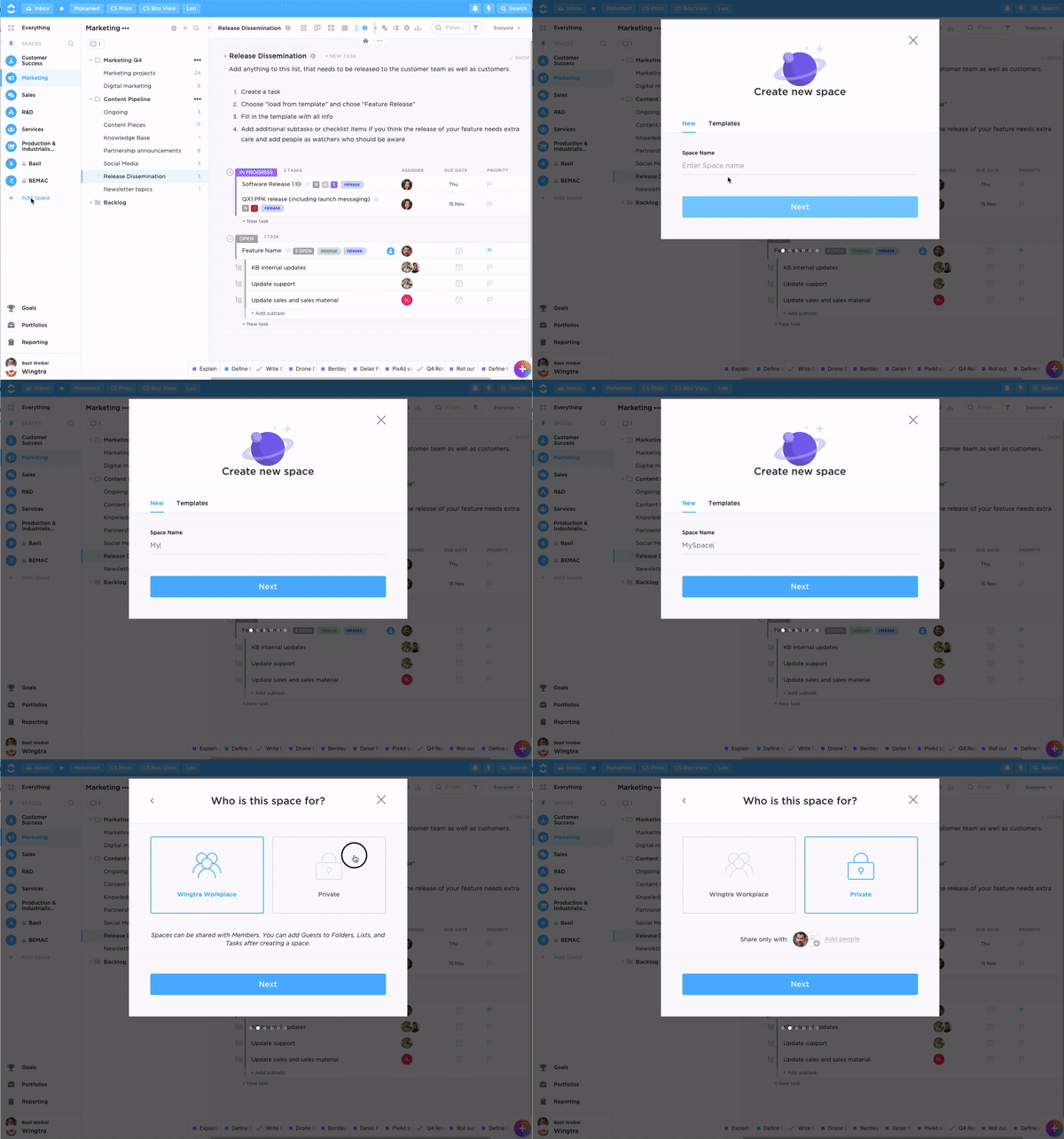
Create your personal space
To organise your very own personal task that only you can see, create a personal space!
Shortcuts
Just type ? in Clickup to bring up a list of all shortcuts! They make you awesome fast! For example
Main window
- p to bring up the notepad
- t to create a task
- s to search
- k to quickly switch between your spaces
In a task text field
- /m to assign to me
- /d to set due date (then try to write Friday for next Friday)
- /p to set priority
- /ac to assign comments
- ## to link to other tasks.
What is next?
- Adjust your notification settings!
- Learn how you can save views and how to sort and filter.
- Have a look at all the features of clickup
- Learn about the inbox
- Get inspiration from Project Templates
- Sync with either your personal google calendar or with a dedicated separate Clickup calendar
- Google "Clickup" + what you want to do. There is everything online!